There’s a persistent idea that astrology can be used to predict the future. But astrology is stranger than that, weirder: in my calmer moments, it comes alive in my hands not as a crystal ball but as a living, breathing system of wisdom. Like I can put headphones on and listen to the universe doing its terrible, magnificent unfolding.
And so, when I think about a current or upcoming planetary transit, I ask myself what unfolds, what calls, and how we might answer. The month of March has a loud, impatient sound to it. There’s an intensity and urgency in the air, a feeling of things ‘not being right’, and a desire and an inability to fix them, especially when it comes to our relationships, values, body image and communication. It’s all quite in-your-face. And in some ways I think this coming month gives us a chance to practice for the years ahead. Because this sense of urgency and doom within us – and in the world at large – will not go away. How could it?
My question at this point is how do we live inside that. What calls us underneath the chaos, the blinking red light, the fear? I think it might be slowness. The slowness I mean is related to being uncertain, to taking our sweet time with an answer, to resting, to saying no, to saying ‘not yet’, to honouring the hours of our precious lives, to embracing our age, our frail bodies. To stop for a minute. To expand the minute like a rubber band. To go beyond the tyranny of clocks.
There’s a kind of slowness that’s packaged and sold to us as ‘relaxation’, ‘leisure’ or ‘self care’. It’s function is to keep us functioning. But for whom? Instead, in the kinds of crisis times we live in, slowness can be a powerful portal for new visions of justice. Three mystics who have been saying this for decades are performance artist-prophet Tricia Hersey and her Nap Ministry, the late Reverend Barbara Holmes from the Center for Action & Contemplation and poet-philosopher Bayo Akomolafe. It’s no accident that three of the wisest and fiercest advocates for slowing down are Black; all of them, in their unique ways, draw a connection between the oppressive, violent systems we inhabit and our collective inability – or refusal – to slow down. In her book ‘Race and the Cosmos’, Barbara Holmes writes: ‘I agree that the social situation is urgent, but frantic responses to resilient problems will not solve anything.’
It’s a shame because I used to really love my frantic responses. They felt like I was ‘doing something’ while slowing down just felt like ‘giving up’. Bayo Akomolafe has me reconsidering this:
‘To ‘slow down’ … seems like the wrong thing to do when there’s fire on the mountain. But here’s the point: in ‘hurrying up’ all the time, we often lose sight of the abundance of resources that might help us meet today’s most challenging crises. We rush through the same patterns we are used to. Of course, there isn’t a single way to respond to a crisis; there is no universally correct way. However, the call to slow down works to bring us face to face with the invisible, the hidden, the unremarked, the yet-to-be-resolved…. It is about staying in the places that are haunted.’
Slowing down is often seen as a cowardly move, a passive position, but Bakomolafe shows us there can be an edge in slowing down. It takes courage. Because when we risk slowness, we start seeing and feeling what we’ve previously ignored. Slowing down, he says, is about ‘questioning our questions’. In this way, slowing down becomes not the opposite of urgency but a deeper, more radical form of it.
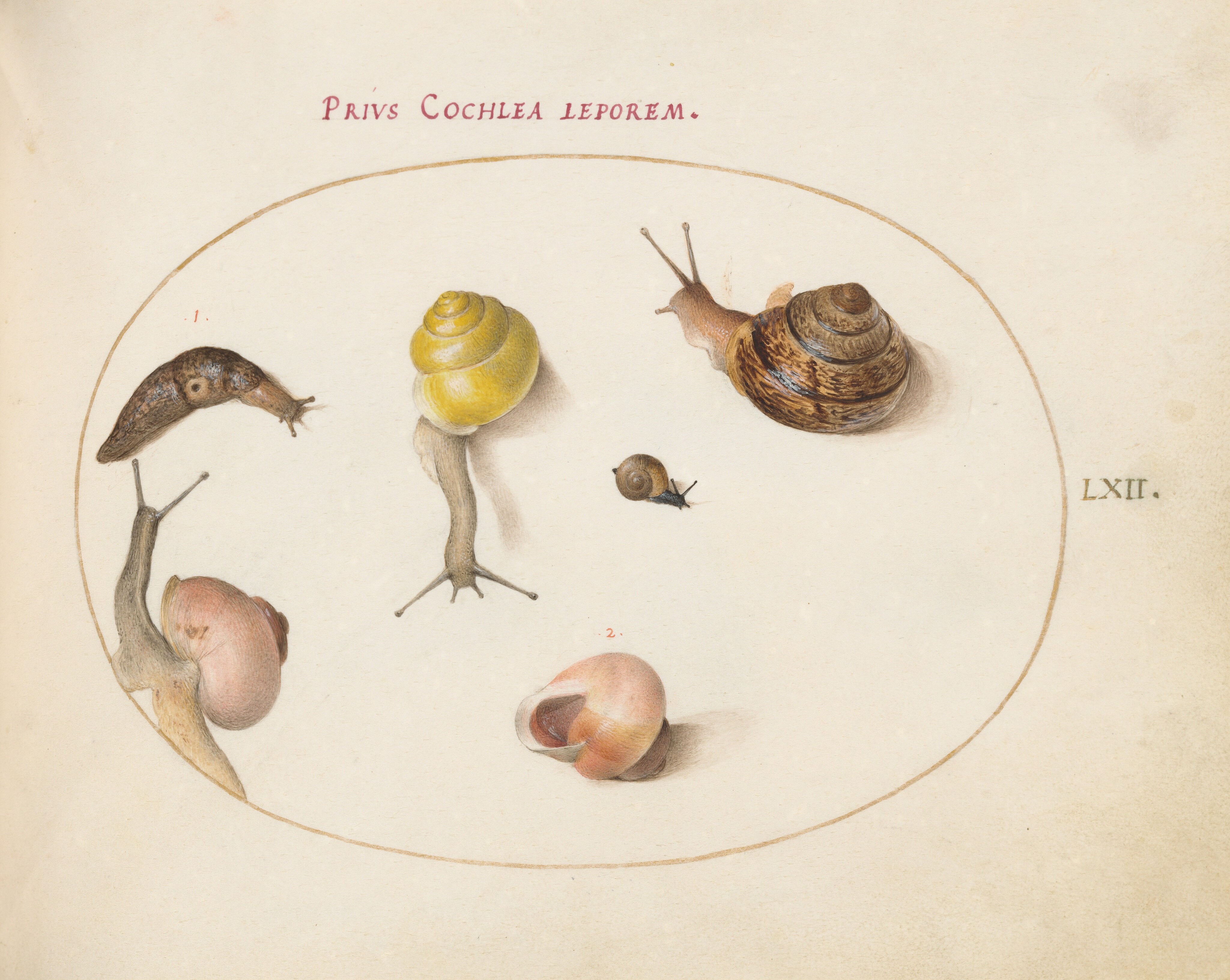
I admit, I’m no good with slowness. I’ve spent the better part of this month trying to go slower, as though I was waiting for permission, and the permission never came. I felt as though I needed to ‘prepare’ for slowness, to be in a certain state of mind, figure out my entire life first and clear my inbox and forgive everyone who ever hurt me. That sort of thing. But when I really think about the slow moments of February, none of them are grand, and all of them are, in their own way, majestic. Running my tired fingers along a snail’s deserted house. Standing at the window late in the day and watching the subtle change of the light. Entering the present, full of grief, without a single ‘solution’ or ‘plan’ in sight. Letting it be. Letting the needle move, inch by inch, from control to faith.
Sources
The above quote is from Bayo Akomolafe’s timely essay ‘A Slower Urgency’. All the other writing on his website is wonderful too.
‘Race and the Cosmos’(CAC Publishing, 2020) by Rev Dr. Barbara Holmes is a a great book. So are her most recent thoughts on ‘Crisis Contemplation’.
Slowness and Rest are not the same but related. Tricia Hersey’s work and her book ‘Rest is Resistance’ (Aster, 2022) illuminates grind culture’s links to chattel slavery and argues for rest as a radical portal for revolution and resistance for everyone.
This is an essay from my newsletter The Star Container, first published in February 2025. Subscribe or head to the archive here.
